The Illusion of Value in Raw Land

Across Florida, there is a recurring pattern.

Landowners hold significant acreage.

The underlying asset is substantial.

The realized value is minimal.

This disconnect is rarely addressed directly.

Ownership does not equal optimization.

Most land remains in its original zoning classification for extended periods, agricultural, low-density, or otherwise restricted. Under these conditions, its economic output is limited, regardless of its location or long-term potential.

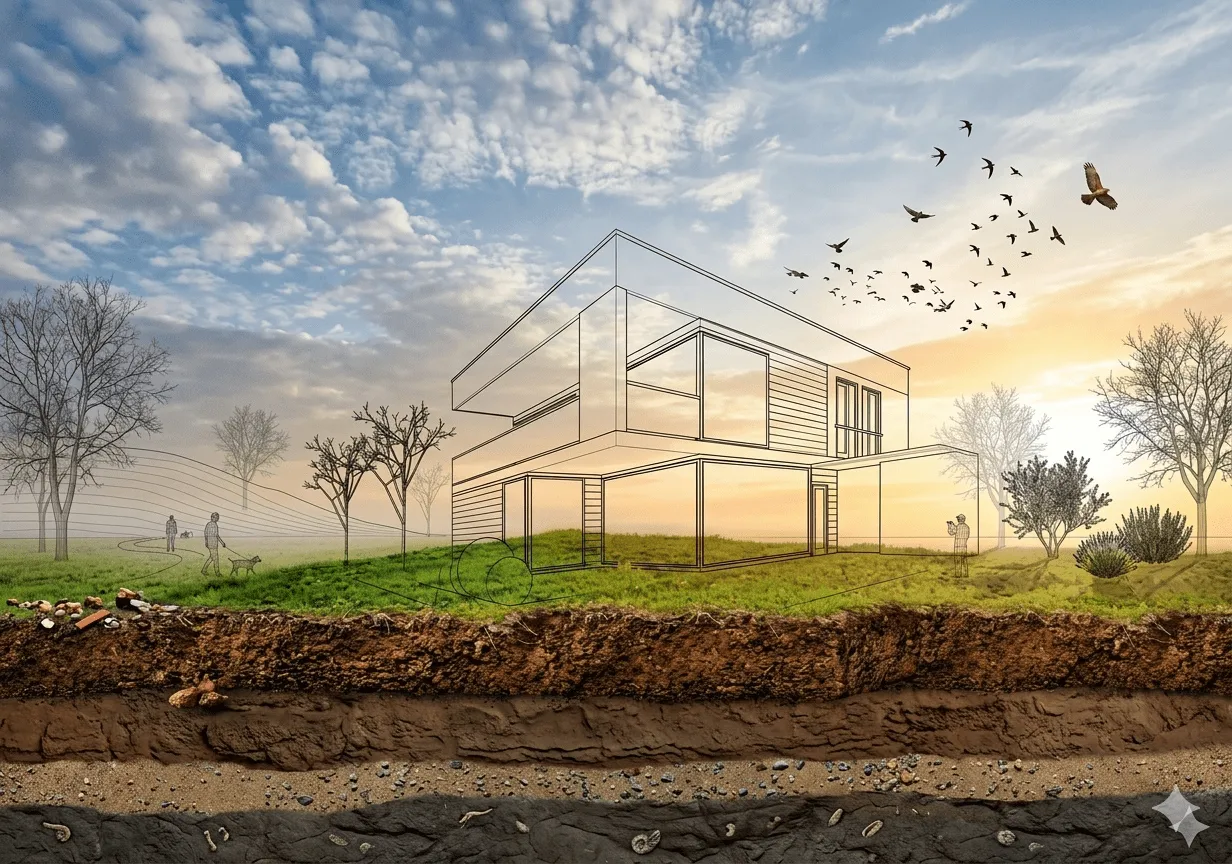
The result is what can be described as static value.

The land is valuable in theory, but underperforming in practice.

This is not a market failure. It is a structural gap.

Value in land is not created by time alone. It is created by:

Without these elements, land does not evolve economically. It simply exists.

The current environment has made this more apparent. As development becomes more selective, raw land without a clear pathway to entitlement becomes increasingly discounted relative to its potential.

At the same time, land that has undergone structured repositioning commands significant premiums.

The difference between the two is not location.

It is transformation.

Transaction volume slows.

➤ For landowners, this presents a decision point:

Continue holding land in its current state, Or participate in the process that unlocks its next phase of value.

➤ For investors, it presents a clear framework:
Value is not found in what land is today.

We focus on converting static land into dynamic assets. The objective is not ownership alone, but transformation that aligns the asset with its highest and best use.